$4.5 Billion A Month Jackpot: Why Iran Wants World To Accept Hormuz 'Authority'
Reports from Iran indicate the country plans to use potential toll payment money to rebuild infrastructure destroyed by US-Israel strikes, and re-stock missile and drone arsenals.
On Monday Iran media said the country had rejected the US' peace proposal, holding that any plan must include a permanent, rather than temporary, end to the war that began Feb 28.
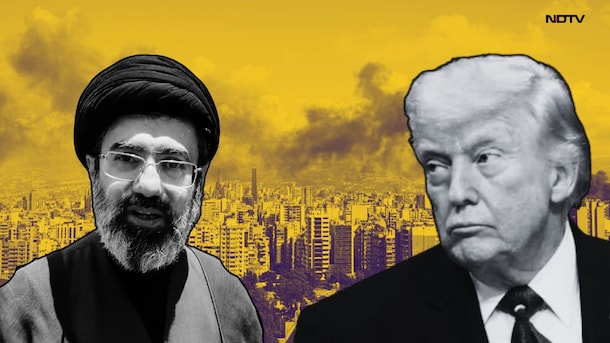
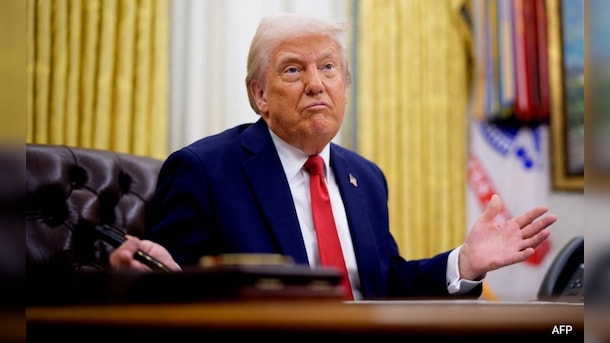
Iran also held firm against US President Donald Trump's increasingly frustrated efforts - including the shocking "crazy b*****ds" Truth Social post - to force open the Strait of Hormuz, which handles around 20 per cent of global seaborne crude and Iran controls.
Instead, the US was offered a fresh 10-point agenda that included demands for international recognition of its rights over the Hormuz. Others included recognising its right to a civil-use nuclear programme, lifting of all economic sanctions, Israel ceasing attacks on Lebanon, and war-time reparations. But it is the demand for rights over the Hormuz that is critical.
But why does Iran want recognition?
The Hormuz is one of the world's more critical energy chokepoints.
Pre-war, between 100 and 135 ships passed through it every day, carrying between 20 and 25 million barrels of crude, the bulk of which was bound for India, China, Japan, South Korea, and other Asian countries.
Two countries - Iran and Oman - have geographic control over the 33km-wide (at its narrowest point) passage.
Shortly after the fighting started Iran made it clear no ships would be allowed to pass. The warning was amplified with missile and drone strikes on tankers and merchant vessels.
The attacks drove up insurance and freight costs, and slowed traffic to a crawl.
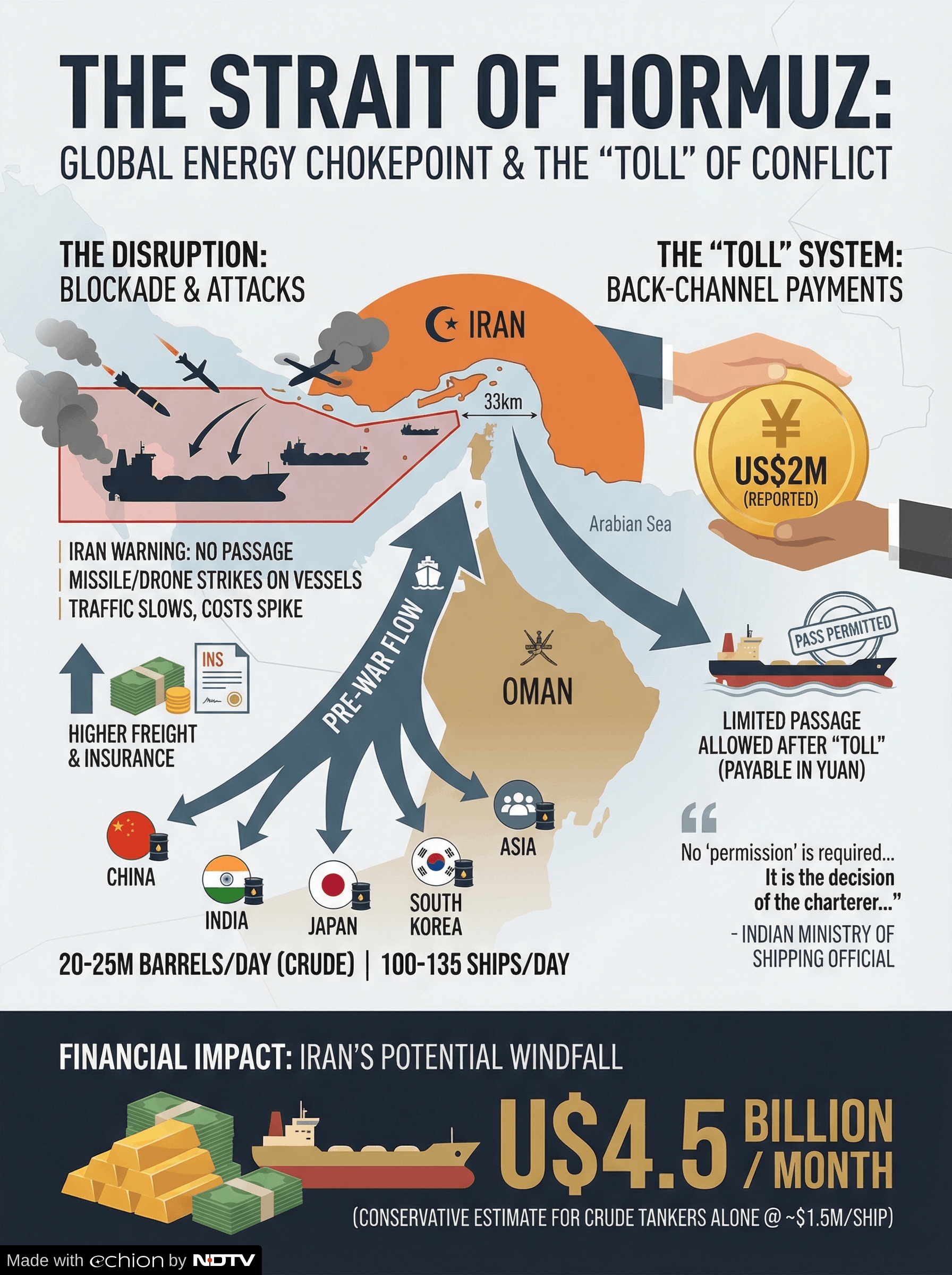
Subsequently a limited number of ships were allowed to pass after back-channel talks and the payment of a 'toll' - reportedly US$2 million per ship and payable in Chinese yuan.
The Indian government said last month it paid no tolls; a senior official from the Ministry of Shipping told reporters, "No 'permission' is required to sail through the Strait of Hormuz… It is the decision of the charterer and shipping company when to sail or when not to sail."
But having its authority recognised could translate into a significant financial windfall for Iran - a conservative US$1-1.5 million per ship is a staggering US$4.5 billion a month for crude tankers alone.
Impact on fuel prices?
Iranian threats to shipping and the fighting - including attacks on energy infrastructure in Iran and other Gulf countries - have scared prices of benchmark Brent crude to past US$110 a barrel, a 38 per cent increase since Feb 28.
Average fuel prices in America crossed US$4 per gallon last month, adding pressure on Donald Trump to resolve the war quickly. Fuel prices have soared across the world, though it has stayed relatively stagnant in India, with the government absorbing increased crude costs.
What Happens If Iran War Ends In 2 Weeks: Challenges Ahead
In a post-war scenario - factoring in time taken to stabilise and re-build supply - prices would be seen as dropping back down. But granting Iran authority over the Hormuz risks the opposite.
Impact on India?
Toll costs will likely be passed through to import points, meaning prices are set to trend upward via higher freight and insurance. The extent of the increase remains uncertain, particularly if India is able to negotiate exemptions or alternative arrangements to avoid such toll payments.
Per-barrel risk premiums linked to disruptions or a closure of key shipping routes offer some guidance. In early March, Goldman Sachs estimated that disruptions could add between $4 and $15 per barrel to benchmark Brent crude, depending on severity. Other estimates are higher; Oxford Economics, for example, suggested a potential $25 per barrel premium.
The Indian government has so far largely shielded domestic consumers from rising crude costs, though prices of some products, like premium petrol, have increased.
Federal excise duties were cut, but primarily to ease pressure on oil marketing companies rather than fully pass on benefits to consumers.
Jet fuel prices have also risen, though here too the government has intervened to limit the domestic impact.
How long New Delhi can sustain such measures if additional costs — including potential Iranian tolls — are imposed remains an open question.
New Delhi has diversified crude import sources, it said shortly after the war began, but it will take some time to fully offset, if needed, the volume received via the Hormuz pre-war.
India used to get 40-50 per cent of its crude needs through this channel.
A similar toll will likely be imposed on gas tankers too and that gives Iran projected monthly revenue of US$800 million.
All of this would be widely seen as unsustainable in the long-run, particularly since it would result in Iran re-arming itself at the cost of Asian economies impacted by increased fuel costs.
Reports from Iran indicate it plans to use this money to rebuild infrastructure destroyed by US-Israel strikes, and potentially re-stock missile and drone arsenals.
More trouble for US, Israel ships
Authority over the Hormuz also allows Iran to continue blocking US and Israel-flagged vessels from transiting the strait, even in peace time.
Since imposing the de facto blockade Tehran has allowed tankers and cargo ships registered in or travelling, to certain countries, i.e., non-aligned actors like India, to pass unscathed.
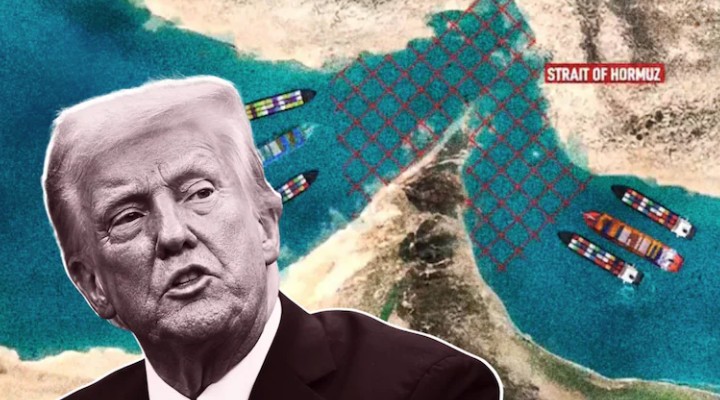
US President Donald Trump has a Strait of Hormuz problem to solve.
But US and Israeli ships have been stopped cold.
Preventing passage to these after peace has been established will almost certainly lead to another round of fighting. International recognition, i.e., viewing the Hormuz as a 'managed corridor' circumvents this problem and also offers Tehran a way to deter further American or Israeli aggression.
Iran, the Gulf 'gateway'
Peace-time control over the Hormuz can also be seen as a way to establish Iran as the 'gatekeeper' to maritime energy flows from the Gulf region.
There are two primary shipping routes that bring crude out from the Arabian Peninsula and the wider Gulf region – the Strait of Hormuz and the Bab al-Mandab Strait.
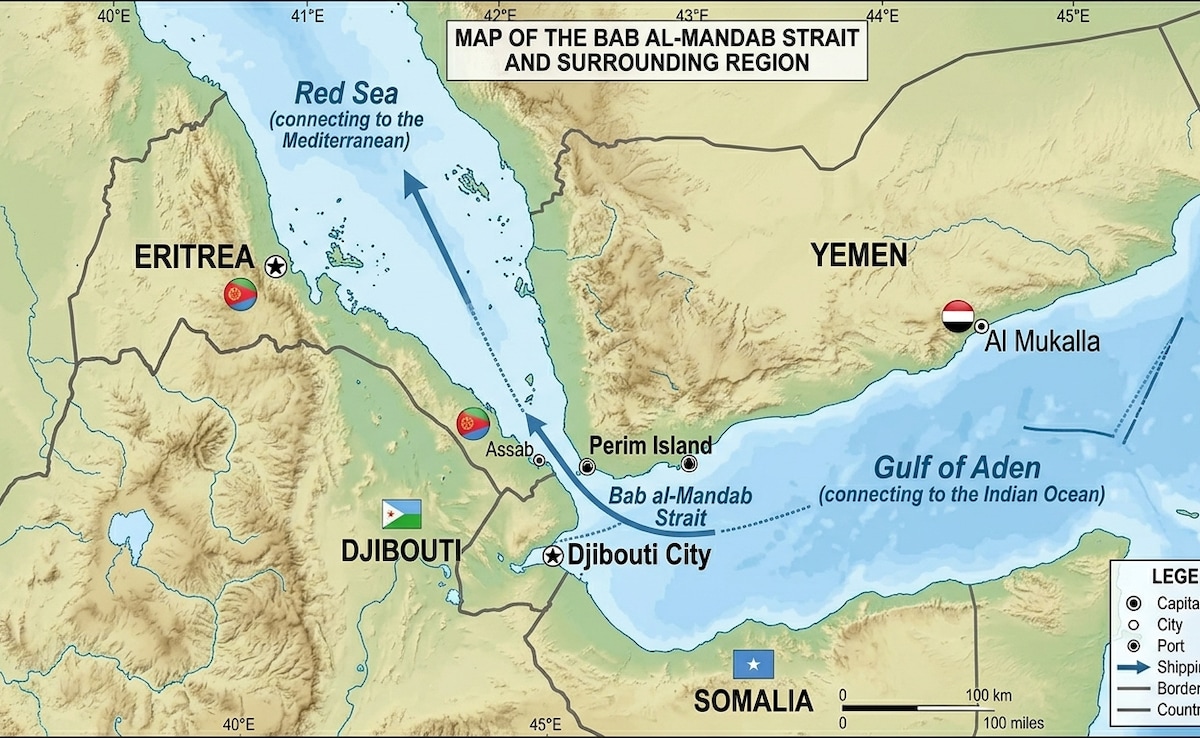
The Bab al-Mandab Strait, on the other side of the Arabian Peninsula (Image generated by AI)
Iran already exerts direct pressure on the Hormuz and uses its proxy, the Yemen-based Houthi group, to affect tanker and cargo traffic through the al-Mandab.
'5 Straits' Trap: How Hormuz Blockade Exposes Global Oil's Risk
Formalising its authority over the Hormuz effectively cements Iran's 'gatekeeper' position, and further strengthens deterrence in case of future attacks, specifically from the US and Israel.
It also gives Tehran solid leverage in relations with other Gulf nations, many of whom have already warned the world against this war ending with just this scenario.
Being the Gulf 'gateway' also offers enhanced investment opportunities for an under-pressure Iranian economy.
Legal limits to Iran's claim
Experts are divided on the legal validity of Iran's Hormuz claim.
Under Article 37 of UNCLOS, or the United Nations Convention on the Law of the Sea, the strait is an international waterway and, as such, there must be free transit for all ships, including warships.
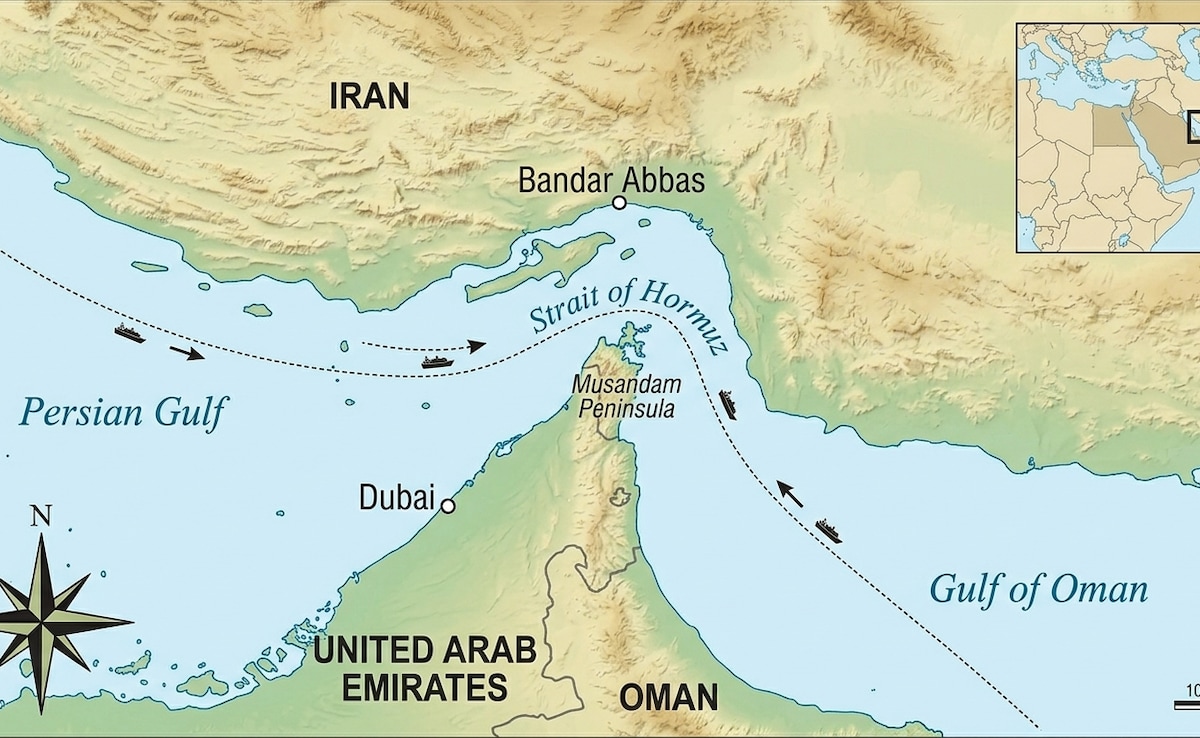
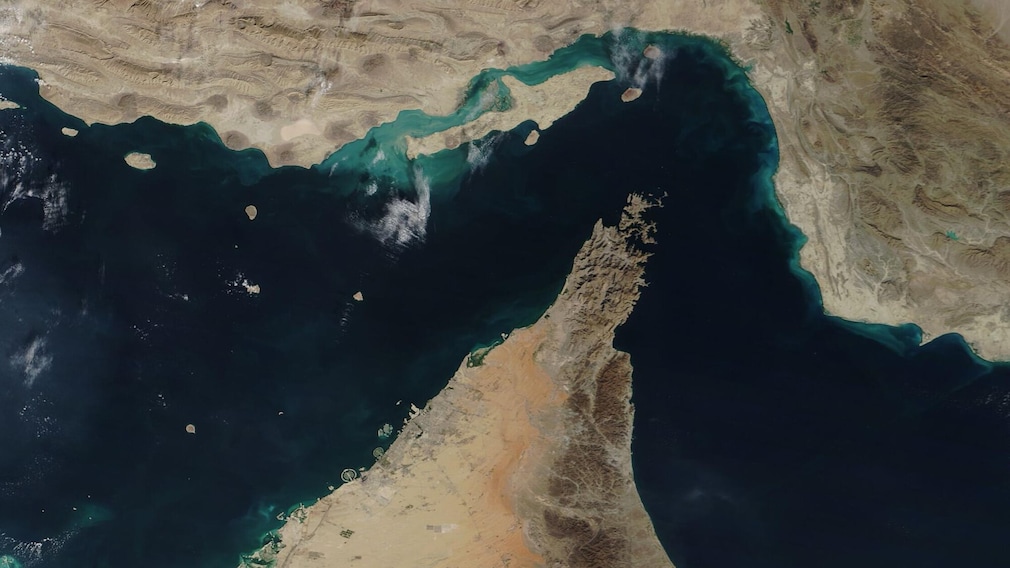
The Strait of Hormuz chokepoint (Image generated by AI)
Oman, whose territorial waters overlap with Iran through the narrowest part of the Hormuz, has repeatedly defended this position, while Tehran argues islands along its coast and an EEZ mean it has special management rights, similar to the situation in the Turkish straits.
EEZ refers to an Exclusive Economic Zone as prescribed by UNCLOS and extending up to 200 nautical miles (370km) from a nation's coast. Within this area that nation has sovereign rights to explore, exploit, conserve, and manage natural resources.
Iran's position, however, is without broader diplomatic backing from other Gulf states, like Saudi Arabia and the UAE, which have coastlines along the Persian Gulf to the north. They have said the Iran-Hormuz move risks regional security.
-
Opinion | India Sits Atop 500 Million Tons Of Gold Ore. Why Isn't It Being Mined? - By Shashi Tharoor

We mine a pittance - barely one and a half tons a year - while draining our foreign exchange reserves to import hundreds of tons annually from mines in Australia, Ghana, and Peru.
-
Opinion | How Iran Ceasefire Helps Pakistan Fix A 10-Year-Old 'Mess' With Saudi
In more ways than one, Pakistan has redeemed itself from a fallout it had with its Gulf patrons exactly a decade ago.
-
Why Lebanon Was Excluded From Ceasefire Plan
Created by the IRGC during the Lebanese Civil War, the Hezbollah, a Shiite Muslim movement, gained its moniker - 'the Resistance' - by fighting Israeli troops occupying southern Lebanon till 2000.
-
Opinion | The 'Munir Doctrine' That Drove Pak's US-Iran Brokering Project
The spate of calls, social media messaging, and diplomatic efforts from Pakistan in recent weeks, especially involving PM Shehbaz Sharif and Field Marshal Asim Munir, raises many questions.
-
Opinion | War Ally To Mere Bystander: Is This The Loneliest Day For Netanyahu?
Israel, the US's closest partner in the region and which lured Trump to take on Iran, was ultimately a mere spectator to the ceasefire agreement.
-
Opinion | Iran Scorecard: A List Of Winners, Losers, And Those Who Rigged The Game
Iran is the clearest winner. America absorbed a lasting blow. Trump got what he wanted. Netanyahu is exposed. The Gulf is vulnerable. All these realities are true, and that is the paradox of this war 'of choice'.
-
Opinion | America Will Still Recover From The Iran Humiliation. And That's The Tragedy
While Trump goes on making social media threats to annihilate the entire civilisation of Iran, former Democratic presidents, Bill Clinton and Barack Obama, cannot muster anything other than sports tweets. The only thing the country is united in is tone-deafness.
-
Opinion | Has Pinarayi Vijayan Been Left All Alone?
The carefully constructed image of Vijayan as a leader in full control now lies shattered - in no small measure due to his own actions.
-
Ceasefire Announced, But It's Not A Full Stop To War: What Happens Next
The immediate test for this ceasefire is the next 24 hours; if Iran, the US, and Israel can control their trigger fingers, the Islamabad talks (or whenever the first round takes place) will begin on a positive note.